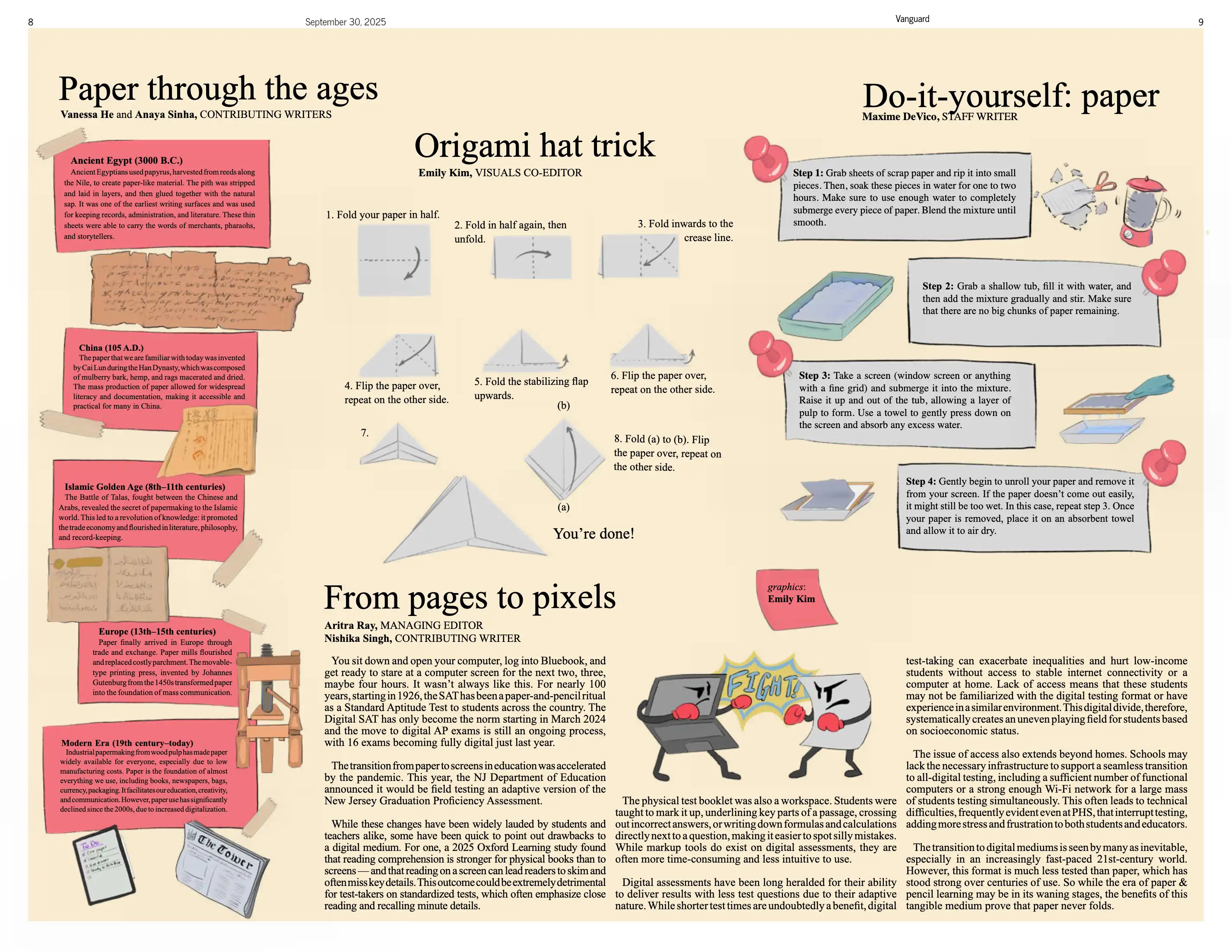
#Ancient Egypt (3000 B.C.)
Ancient Egyptians used papyrus, harvested from reeds along the Nile, to create paper-like material. The pith was stripped and laid in layers, and then glued together with the natural sap. It was one of the earliest writing surfaces and was used for keeping records, administration, and literature. These thin sheets were able to carry the words of merchants, pharaohs, and storytellers.
China (105 A.D.)
The paper that we are familiar with today was invented by Cai Lun during the Han Dynasty, which was composed of mulberry bark, hemp, and rags macerated and dried. The mass production of paper allowed for widespread literacy and documentation, making it accessible and practical for many in China.
Islamic Golden Age (8th–11th centuries)
The Battle of Talas, fought between the Chinese and Arabs, revealed the secret of papermaking to the Islamic world. This led to a revolution of knowledge: it promoted the trade economy and flourished in literature, philosophy, and record-keeping.
Europe (13th–15th centuries)
Paper finally arrived in Europe through trade and exchange. Paper mills flourished and replaced costly parchment. The movabletype printing press, invented by Johannes Gutenburg from the 1450s transformed paper into the foundation of mass communication
Modern Era (19th century–today)
Industrial papermaking from wood pulp has made paper widely available for everyone, especially due to low manufacturing costs. Paper is the foundation of almost everything we use, including books, newspapers, bags, currency, packaging. It facilitates our education, creativity, and communication. However, paper use has significantly declined since the 2000s, due to increased digitalization.