“2023: Corona ended. 2026: Hantavirus,” X user @iamasoothsayer posted in 2022. Since the reports of a recent hantavirus outbreak surfaced, the post has reappeared, garnering hundreds of thousands of likes and responses as users cite it as proof that the outbreak was planned in advance. Alongside these speculations, exaggerated claims comparing hantavirus to COVID-19 are also spreading online, warning about a possible major pandemic despite health officials stating that the virus poses far less of a threat.
Despite the lack of proof for hantavirus epidemic theories, their popularity is evidence of a major problem. Growing at a rate seemingly faster than the actual virus, the rise of misinformation is alarming. Unlike other false claims, medical misinformation has a more direct impact on immediate decisions about treatment and prevention, as well as on trust in medicine as a whole. The COVID-19 pandemic demonstrated how quickly false claims can spread online. This proves dangerous, as many students, including in Princeton, are exposed to most of their health information digitally.
Medical misinformation shoulders a unique risk because it can shape how people approach taking care of their own health. It may lead to false interpretations of the available evidence, misallocation of health resources and an increase in vaccination hesitancy. Currently, social media acts as the primary catalyst, with platforms boosting content regardless of accuracy for an audience that focuses on sensationalist headlines.
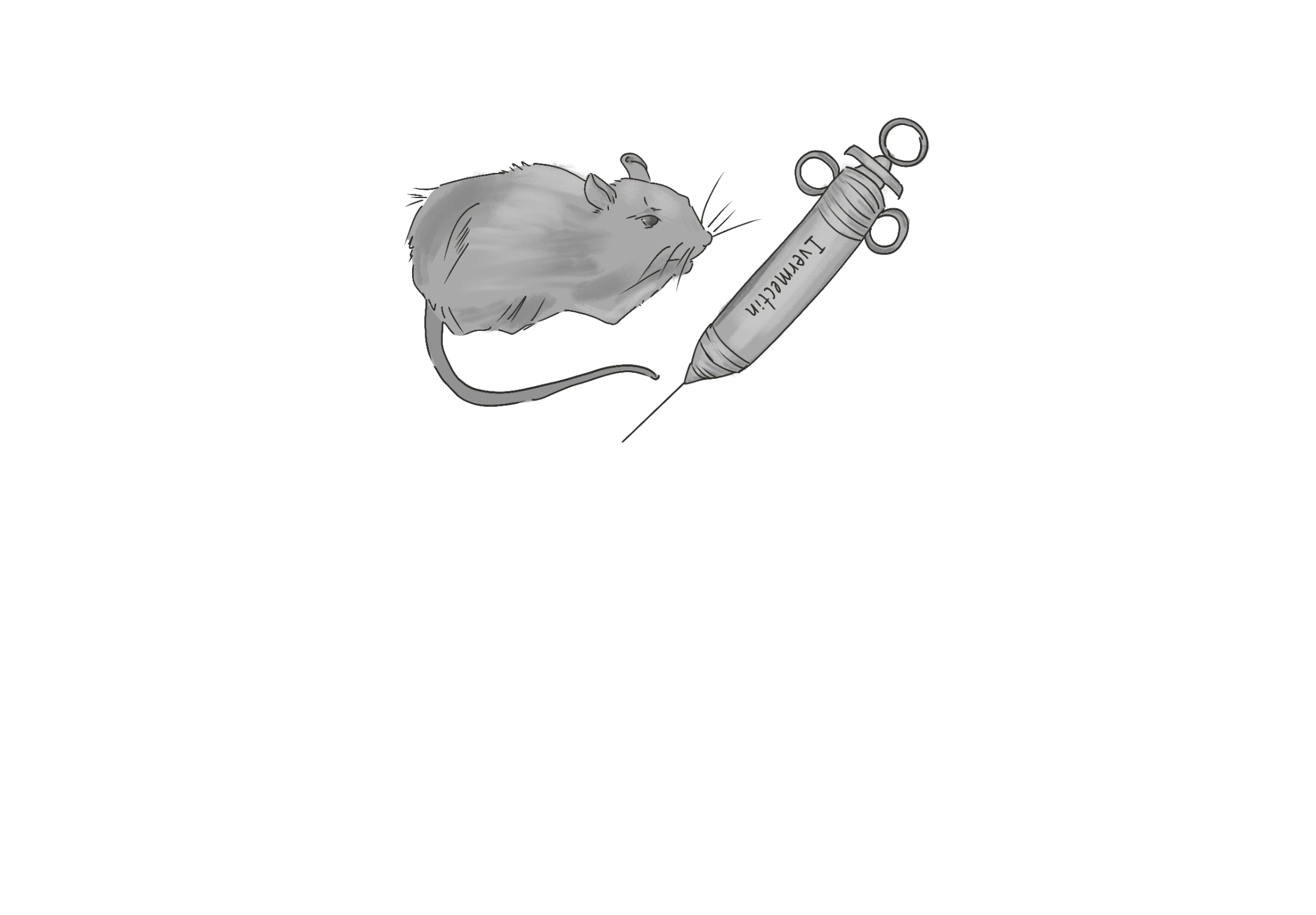
COVID-era misinformation was characterized by claims that vaccines caused cancer and that hydroxychloroquine was a viable treatment. Similarly for hantavirus, Dr. Mary Talley Bowden falsely advertised on X that ivermectin was a cure for the disease — an idea that was perpetuated by government officials including Marjorie Taylor Greene.
Widespread misleading information has proved damaging to broader public health. Many individuals no longer view routine immunizations as necessary due to skepticism that took off during the pandemic. According to CDC data, vaccination rates for measles, mumps, and rubella (MMR) have dropped to 92.5 percent, falling below the 95 percent herd immunity threshold needed to prevent measles transmission. At the same time, Johns Hopkins research has also found that nearly 80 percent of countries have reported drops in childhood vaccination rates following the pandemic. Due to the increasing number of false claims about vaccine safety and effectiveness, trust in public health has weakened. As vaccines are only effective when used in combination with widespread participation, communities have become vulnerable. If misinformation continues to push people to opt out of vaccination, the consequences of ignorance toward credible medical information could extend beyond one’s personal beliefs and become a health concern for everyone.
The resurgence of false information about hantavirus is proof that our habits of believing anything we see on social media have not disappeared since the COVID pandemic. Algorithms tend to present perspectives based on how much attention it may garner, whether they are accurate or fabricated. Medical misinformation deals directly with our personal wellbeing as well as broader health, which makes this issue particularly pernicious. Digital literacy remains a must in this day and age, including skills like identifying clickbait headlines and verifying sources. Ignoring our responsibility to question and confirm online medical claims before accepting or sharing them will inevitably lead to detrimental consequences for all.